
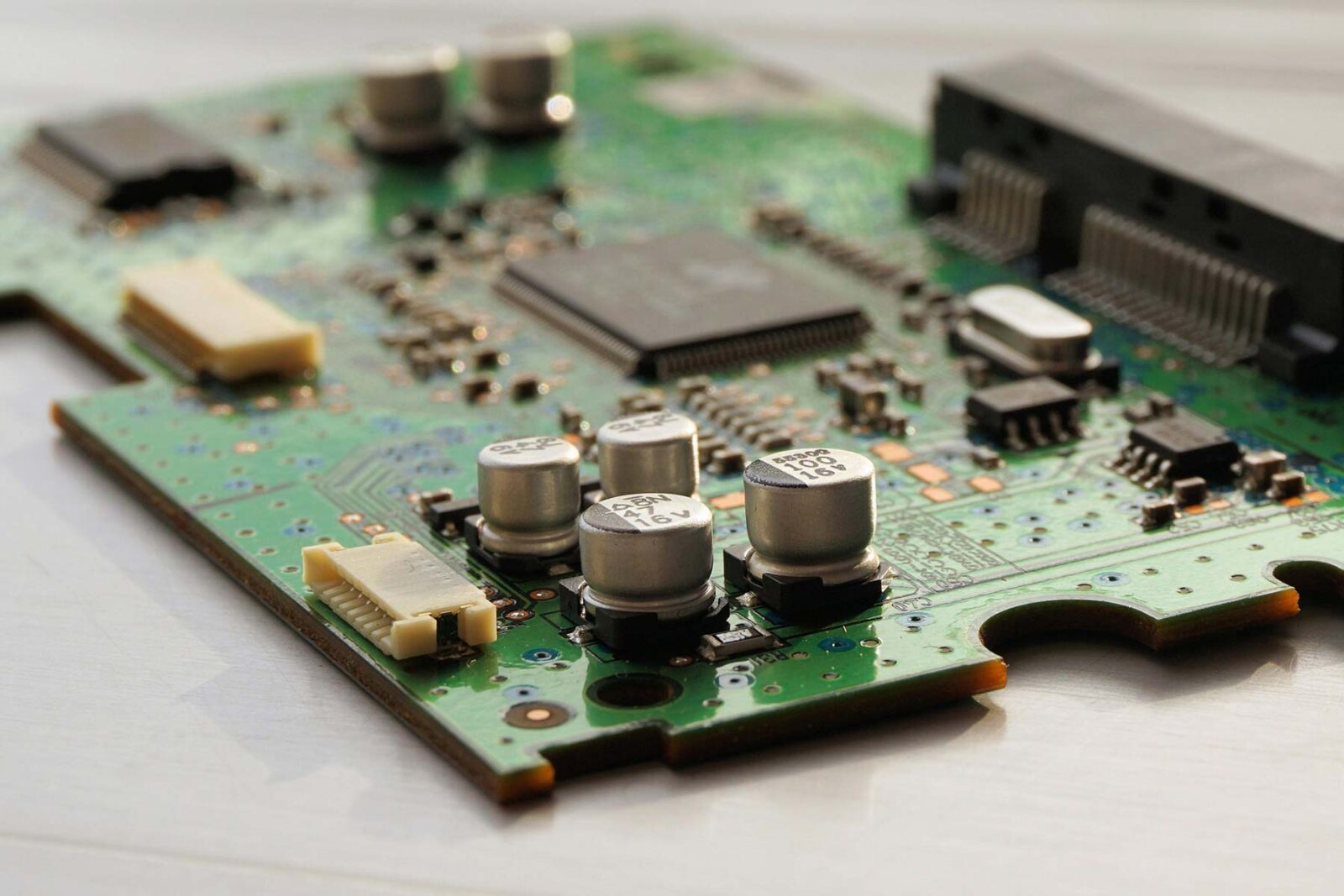
What Is Electrolytic Nickel Plating?
This is a metal finishing process where an electric current is used to deposit a layer of nickel onto a part.
This method isn’t like electroless plating, which happens chemically. The electrolytic nickel plating process requires a power source to make the reaction happen. That’s actually a good thing if you’re after speed, thickness control, or visual appearance.
In plain terms, we submerge the part into a nickel-based solution, apply a current, and that current causes the ions to attach to the surface. It’s especially useful for building up precise thickness in a shorter amount of time.
Request a Quote
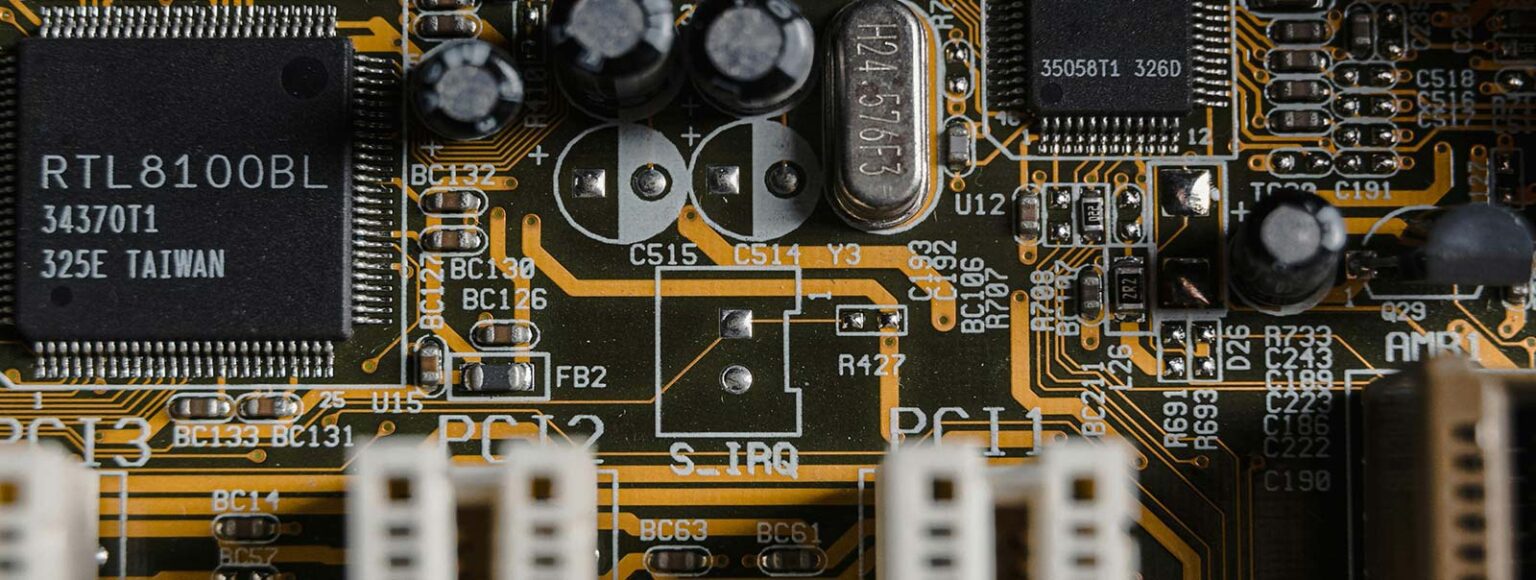
Benefits and Applications
The electrolytic nickel plating method works best with conductive materials. It gives us a lot of control over the final finish, which is important when thickness or appearance really matters. That’s why it’s often chosen for parts that need to meet visual specs or electrical conductivity targets, without overcomplicating the job.
- Precise Thickness Control: Allows for specific thickness levels, making it ideal for applications requiring varying coating depths.
- High Hardness: Produces a durable and wear-resistant surface.
- Good Aesthetic Finish: Delivers a smooth and shiny appearance, beneficial for decorative purposes.
- Fast Deposition Rate: The process can be quicker than electroless plating for large-scale applications
Electrolytic nickel plating is also a more budget-friendly option compared to electroless nickel plating, especially for straightforward geometries and where uniformity isn’t critical.
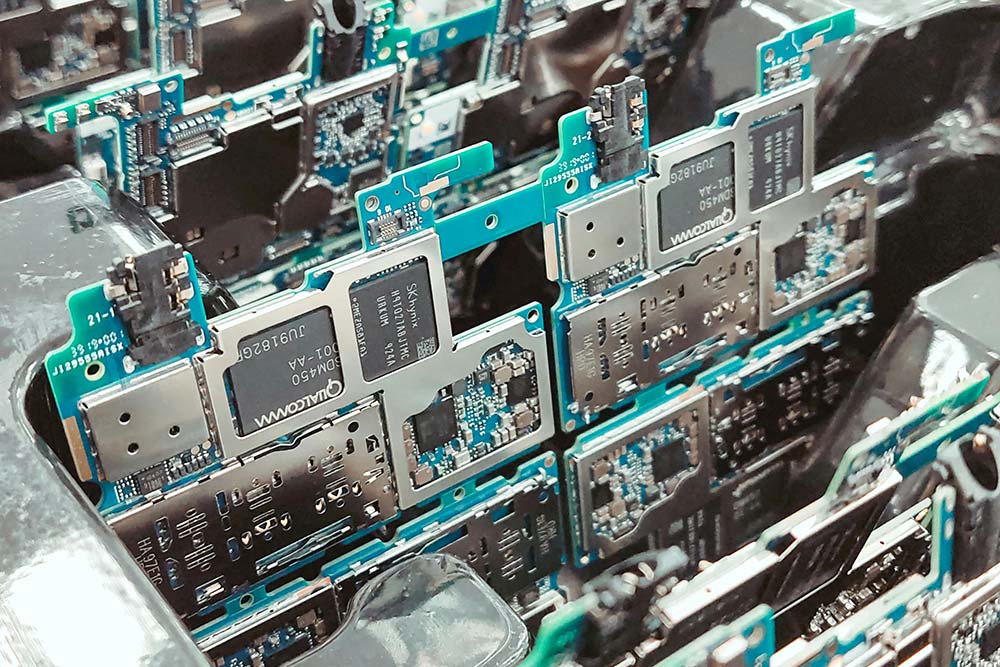
What Electrolytic Nickel Plating Is Best For
This plating process is best for conductive parts that need controlled thickness, a clean metallic appearance, and dependable surface performance. It is often a strong option when a job calls for faster buildup and clear thickness targets.
The electrolytic nickel plating process is also well-suited to parts with simpler geometries, where appearance and electrical performance are important but extreme uniformity in recessed areas is not the main requirement.
For many PCB and electronic part applications, this finish supports functional and visual goals without adding unnecessary process complexity. It is a practical choice when speed, finish, quality, and predictable results are what you’re looking for.
Compatible Materials for Electrolytic Nickel Plating
Electrolytic nickel plating is used on conductive base materials that can accept an electrodeposited finish. In many electronics applications, that includes copper and copper-alloy surfaces used in PCBs, contacts, and other parts.
The surface conditions are also just as important as the base material. Some factors that can affect adhesion and final appearance include:
- Cleanliness
- Oxidation
- Prior finishes
- Overall part design
This is why this plating process is generally selected for parts that can be properly prepared and electrically connected during processing.
If a job includes mixed materials, masked features, or unusual geometries, we can review the design and help determine whether the finishing method is the right fit.
What Affects Turnaround Time for Electrolytic Nickel Plating?
Turnaround time depends on several job-specific factors, such as:
- Part count
- Part size
- Incoming surface condition
- Masking needs
- Required thickness
- Inspection requirements
Parts that arrive clean, clearly specified, and ready for plating are often easier to move through the line efficiently. The required buildup can also affect turnaround time because heavier deposits may take longer to achieve.
Generally speaking, the electrolytic nickel plating process moves faster on straightforward, repeatable parts than on jobs with tighter cosmetic standards or more handling sensitivity.
But you shouldn’t worry much about this. At Alternate Finishing, Inc, we are known for fast response and quick turnarounds, and some jobs can even be completed the same day when the deadlines are quite tight.
Common Part Types We Plate With Electrolytic Nickel Plating
We normally use this for printed circuit boards, electronic components, contacts, and other conductive machine parts that need a reliable nickel finish.
It is often selected for parts where controlled buildup supports fit and function, while still having a great appearance. Depending on the job, that may include connector-related components, board features, and manufactured parts used in demanding assemblies.
Something important to note is that the right finish approach depends on material, geometry, and how the part will be used in real life.
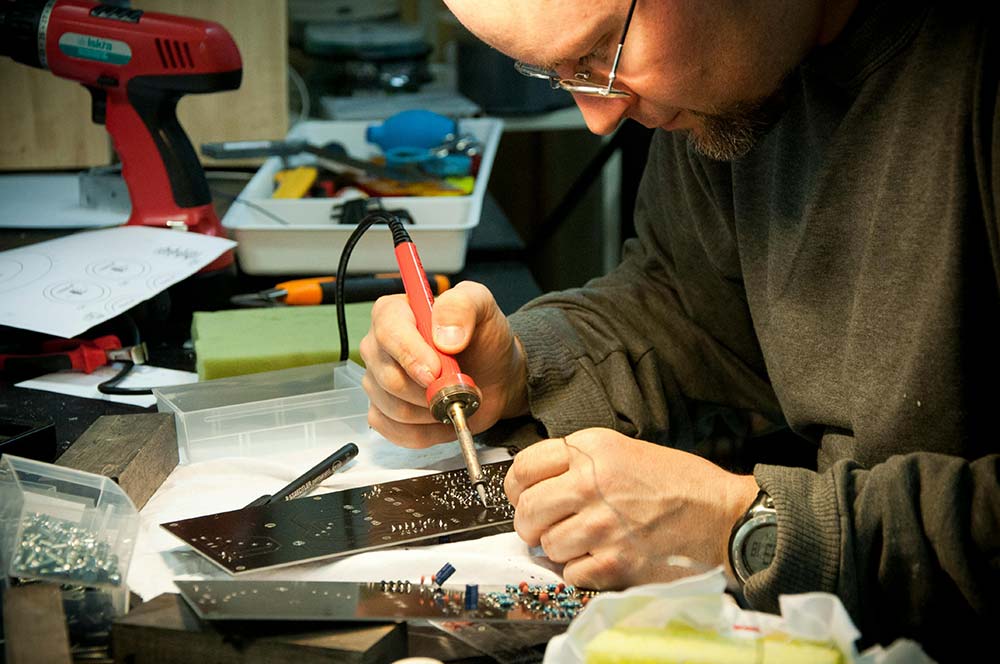
Work With Us
Alternate Finishing, Inc. is trusted by clients across the U.S. and Canada for our reliable turnaround times, careful attention to detail, and reliable plating knowledge.
We’ve been at this for decades and bring hands-on experience to deliver highly reliable metal plating services like electrolytic nickel plating.
We will work with you, even through the task of figuring out whether the electrolytic nickel plating process is the right fit for you, and get your job moving without delay. Call us or request a quote today.