Key Takeaways
- PCB plating for military applications helps protect the electrical interfaces that defense systems rely on for power, data, control, and communication.
- Controlled plating supports signal integrity by creating cleaner, more uniform conductive surfaces at high-reliability connection points.
- Nickel and gold finishes help protect copper features from oxidation, galvanic corrosion, copper migration, and surface degradation.
- Clear defense electronics plating specifications support traceability, controlled bath chemistry, repeatable results, thickness verification, and reduced failure risks.
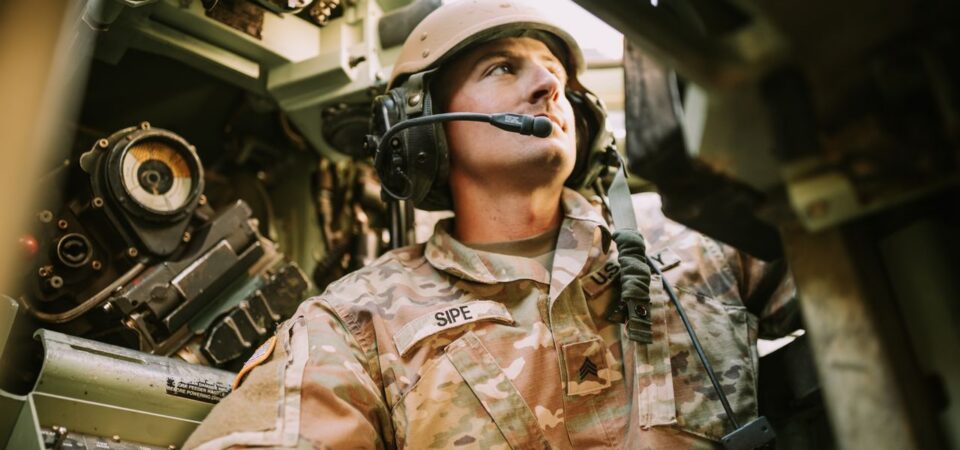
Military and aerospace teams expect mission-critical defense electronics to work reliably in harsh environments. Military PCB plating is one of the processes that makes this reality possible. Here, we’ll discuss the role that defense electronics plating plays and why it’s important for defense applications.
- Preserving Critical Electrical Interfaces
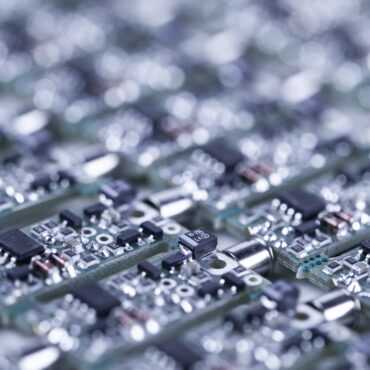
In defense systems, tiny surface-level deviations on a circuit board can quickly escalate into widespread system failures. This is because circuit boards are the primary highway for power and data, which makes the quality of their electrical interfaces really important.
When surfaces of high-reliability electronics are unprotected or improperly finished, they become vulnerable to intermittent contact loss, rapid oxidation, and minor finish decay. In extreme conditions, these microscopic anomalies can create breaks in electrical continuity.
Military PCB plating helps protect the pads, connector areas, edge fingers, and test points from surface changes that can break this electrical continuity in these and all other types of conditions.
- Supporting Signal Integrity at High-Reliability Connection Points
Signal integrity depends on the circuit design, but the surface finish is also still important where boards connect, transfer, or verify signals. This is why. High-frequency signals travel primarily along the outer surface of a conductor rather than through its center.
Because of this, any non-uniformity or surface roughness in the plating layer directly affects signal integrity due to the noise and resistance these rough surfaces introduce at connection points.
Military PCB plating helps create cleaner, more uniform conductive surfaces for the signals to move through the board with fewer surface-related risks.
Protecting Conductive Surfaces With Nickel and Gold Finishes
Another important role of defense electronics plating is to protect conductive surfaces with the right metal layers. Since copper lines are inherently prone to oxidation and galvanic corrosion, manufacturers rely on a multi-layer plating architecture to build corrosion-resistant PCBs.
In this case, nickel plating acts as a barrier between copper and the final surface, which helps limit copper migration and surface degradation. Gold plating then provides a stable outer finish for selected contacts and solderable areas.
Together, these are effective military PCB plating practices to protect the underlying conductive features and maintain constant stability over long cycles.
Get Reliable PCB and Electronics Plating For Military Applications
Alternate Finishing, Inc. provides precious metal finishing for military PCBs and parts used in demanding defense applications. As an ITAR-registered metal finisher, AS9100D-certified provider, we provide reliable military PCB plating for projects that need dependable quality and quick turnaround times. Request a quote today.
Frequently Asked Questions
Why are plating specifications important in defense electronics?
Following clear specifications in defense electronics plating helps with defining how each finish should be applied and measured. Clear requirements support traceability, controlled bath chemistry, repeatable results, and testing such as thickness verification. This helps ensure that each PCB or electronic part receives a finish that matches the performance needs of the defense application.
Does plating help prevent latent failures in defense applications?
Yes. These microscopic anomalies, like surface voids and chemical imbalances that pass initial inspections but slowly degrade over time, can eventually cause short circuits or open paths long after the system has been deployed. PCB plating for military applications helps mitigate these hidden failure modes at the manufacturing stage.
Does every part of a military PCB need the same plated finish?
Not always. Different parts have different performance requirements. Some might need solderability, while others need wear resistance. The finish should match each plated feature.

Robert Peterson is President of Alternate Finishing, an AS9100D, ISO 9001:2015, and ITAR registered metal finishing provider serving customers across the USA and Canada. With more than four decades of experience in printed circuit boards and metal finishing, Robert is certified by the National Association of Metal Finishers as an electronic specialist. He’s also an avid photographer.